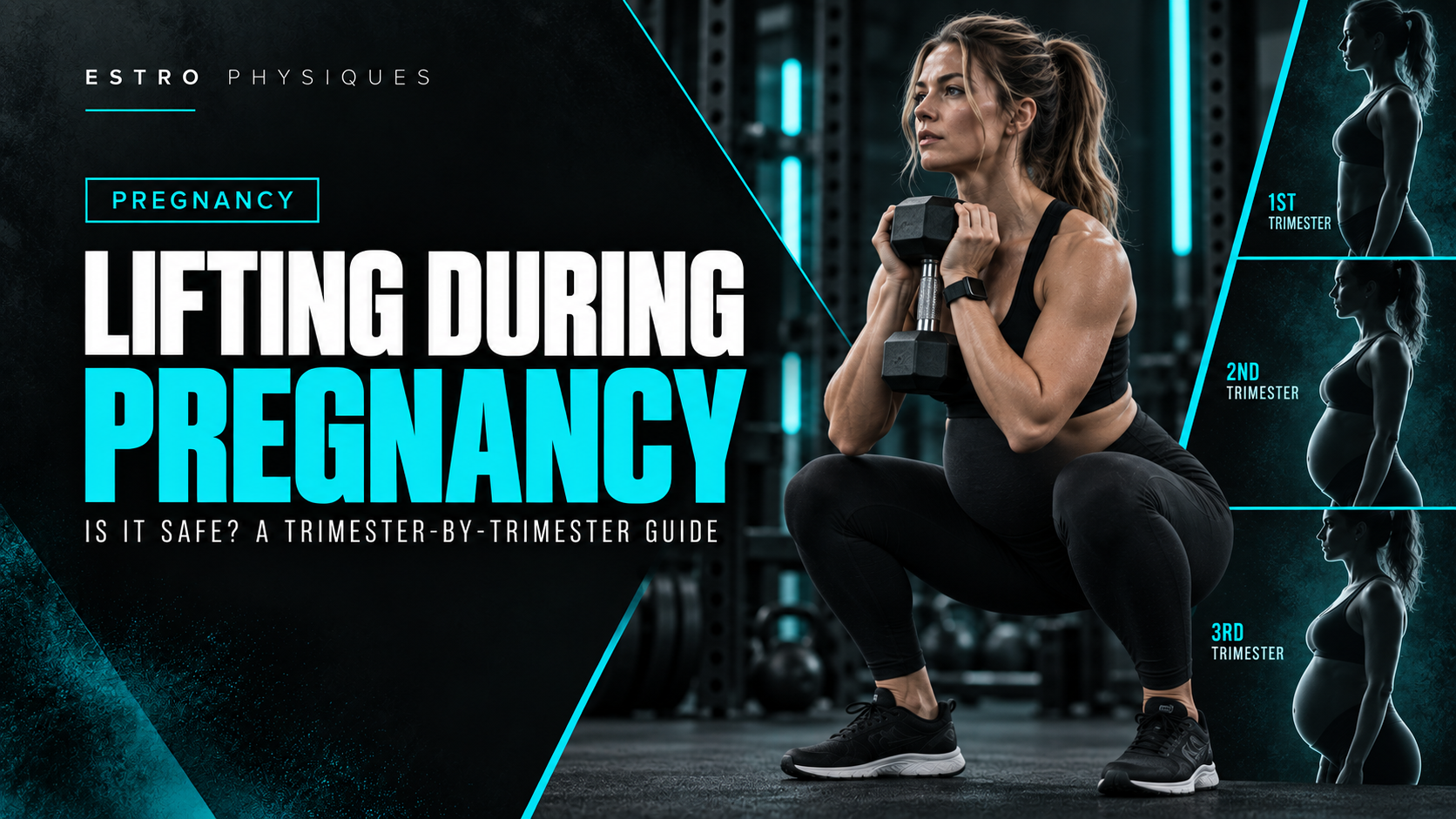
Is It Safe to Lift Weights During Pregnancy? A Trimester-by-Trimester Guide
For most women with a healthy, low-risk pregnancy, lifting weights is generally considered safe and can be genuinely beneficial, provided you have clearance from your obstetric care provider and you adjust as your body changes. Australian and international physical activity guidelines actively encourage strength training throughout pregnancy for women who were already active, and often for those beginning gently too. The key isn’t stopping; it’s training smart and listening to your body.
What the evidence actually says
The old advice to “take it easy” and avoid resistance training in pregnancy has been overtaken by research. Current guidelines recommend that healthy pregnant women aim for regular physical activity across the week, including muscle-strengthening work on two or more days. Staying strong through pregnancy is linked with better posture, less back and pelvic pain, easier day-to-day movement, improved mood and energy, and a smoother return to training after birth. Strength work also helps you carry, lift and settle a baby once they arrive, something you’ll be doing a lot of.
That said, pregnancy is not the season for chasing personal bests. The goal shifts from progression to maintenance, control and feeling good in your body.
First: get clearance from your healthcare provider
Before you continue or begin any resistance training, check in with your GP, obstetrician or midwife. Most women get the green light, but some conditions, such as certain placental issues, pre-eclampsia, a history of preterm labour, or being pregnant with multiples, call for a more tailored approach. This guide is general education, not personal medical advice, so your care team’s guidance always comes first.
First trimester (weeks 1-12)
If you were lifting before pregnancy, you can usually continue with your existing program in these early weeks, easing back on intensity as needed. Fatigue and nausea are common, so give yourself permission to train shorter and lighter on rough days, something is almost always better than nothing. Focus on good technique, controlled tempo, and breathing steadily rather than holding your breath and straining. If you’re brand new to lifting, this is a lovely time to start with light weights, machines and bodyweight movements under proper guidance.
Second trimester (weeks 13-27)
Many women feel their best in the second trimester, but this is when technique adjustments start to matter. From around week 16, it’s generally advised to avoid exercises lying flat on your back for long periods, as the growing uterus can affect blood flow, an incline bench or standing and seated variations work well instead. Your center of gravity is shifting and the hormone relaxin makes joints more mobile, so favour stable, supported movements over heavy balancing or maximal lifts. Keep training your back, glutes and legs to support your changing posture, and begin paying attention to how your core and pelvic floor feel under load.
Third trimester (weeks 28-40)
In the final stretch, expect to reduce loads and range of motion as your bump grows. Many women move toward machines, resistance bands, dumbbells and bodyweight work for comfort and stability. Widen your stance for squats and deadlifts, slow everything down, and avoid movements that cause coning or doming of the belly, discomfort, or any pelvic-floor pressure or leaking. Continued gentle strength work here helps with posture, aches and stamina for labour and recovery, but rest days and flexibility with your plan matter more than ever.
Sensible rules for lifting at every stage
A few principles apply throughout: train at an effort where you could still hold a conversation, breathe out on exertion rather than bracing hard, and stop well before failure. Stay hydrated, don’t overheat, and avoid exercises with a real risk of falling or abdominal impact. Above all, treat your body’s feedback as the most reliable coach in the room.
Warning signs to stop and seek advice
Stop training and contact your healthcare provider if you experience vaginal bleeding, fluid leaking, regular painful contractions, dizziness or faintness, chest pain, calf pain or swelling, severe headache, or reduced fetal movement. These are signals to pause and get checked, not to push through.
How coaching makes pregnancy training easier
Knowing you can lift is one thing; knowing exactly how to adjust week to week is another. This is where individual guidance helps, a program built around your stage, symptoms and history takes the guesswork out and keeps you confident that what you’re doing is appropriate. Our pregnancy and postpartum coaching is designed by women, for women, to help you stay strong safely through every trimester and rebuild gently afterwards.
If you’re pregnant and unsure where to start, or how to modify the training you already love, we’d love to help. Book a free consult and we’ll talk through what safe, confident strength training can look like for you and your pregnancy.